Rust stain removal · Palm Coast & Flagler County
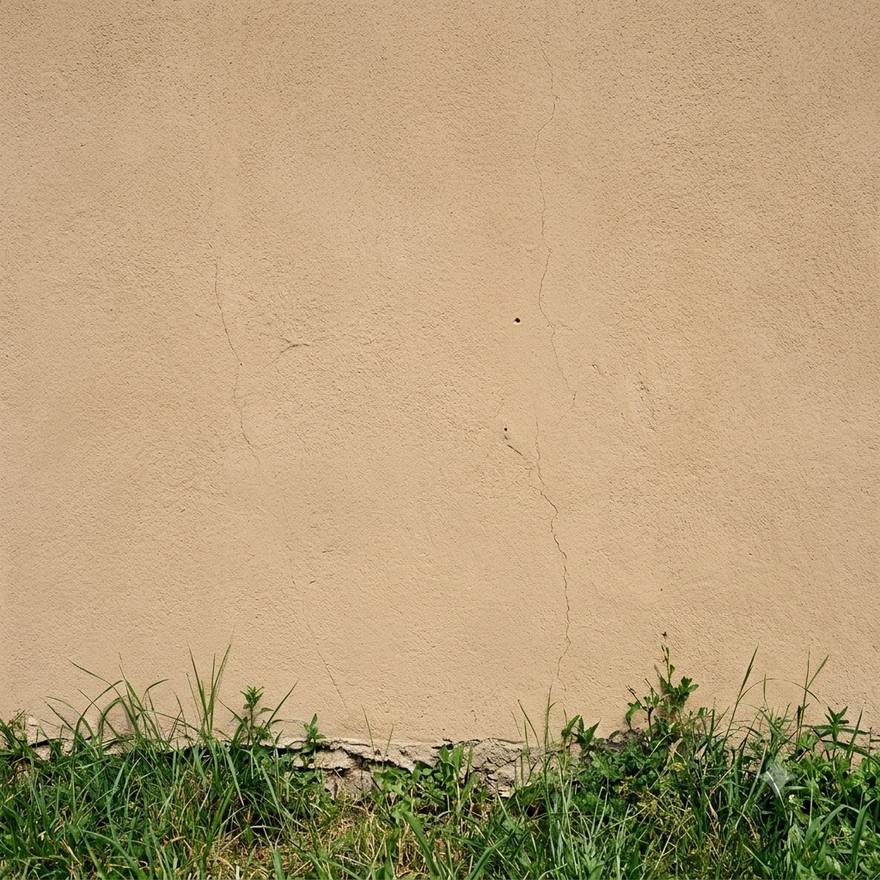
Those orange fans across your driveway and up your walls are iron, not dirt. They need an acid-based treatment matched to the surface. Wash them with a normal soft wash mix and the stain gets locked into the concrete for good.
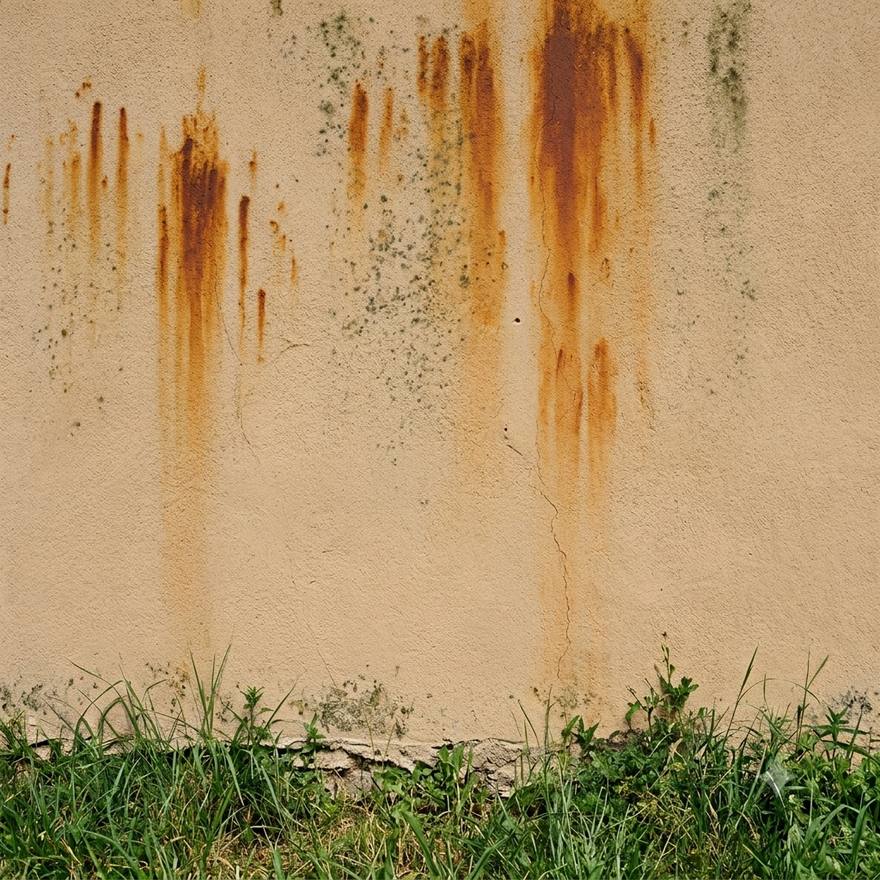
 BEFORE
AFTER
BEFORE
AFTER
A real KingFisher job — drag the handle
Why a normal wash makes it worse
Algae and mildew are organisms — you kill them and rinse them away. Rust is iron that has already oxidized and bonded to the surface. Nothing about killing an organism applies. The two jobs need opposite products, and this is where most exterior cleaning goes wrong.
What rust needs
An acid-based rust remover dissolves the iron so it can be lifted off and rinsed away, then gets neutralized so nothing keeps working on the surface after we leave. The product and the strength change depending on whether it's concrete, painted siding or a screen frame.
What most people apply
Sodium hypochlorite is an oxidizer. Put it on iron and you oxidize the stain further and drive it deeper into the pores. The orange goes darker and sets. Once concrete has been bleached over rust, even the correct treatment afterwards may only lighten it.
This is why people tell us their driveway looked worse after it was washed. Nothing was done carelessly — the wrong product was used on the wrong stain, and concrete doesn't forgive that.
Where it's coming from
Groundwater in this part of Florida carries iron. Run it through a sprinkler and every drop that lands on concrete or stucco leaves a little behind. A few months of that and you have the orange fan shape pointing straight back at the head that made it.
We'll point out the source while we're there. Removing the stain is our job; keeping it gone usually means turning a sprinkler head a few degrees, adding a deflector, or looking at an iron filter on the well — and none of that requires hiring us again.
What we treat
Porous, so the iron soaks in rather than sitting on top. Treated with dwell time and lifted out, then rinsed and neutralized — not ground off with pressure, which only removes the surface around the stain.
Color-sensitive, and a strong product applied evenly across the wrong paver will lighten it. Tested in an inconspicuous spot first, every time.
The classic Palm Coast rust wall. Textured surfaces hold iron in every crevice, so it takes a controlled application and patience rather than a stronger mix.
Treated at a strength that takes the iron without touching the finish underneath. Painted surfaces get tested before anything goes on the visible wall.
Frame, fasteners and screen. The runs on the deck below get treated in the same visit, because cleaning one without the other just gives you a clean deck under a rusty cage.
Rust bleed from old hardware on vinyl, aluminum and wood. On wood this is also the prep step that decides how well a stain holds afterwards.
How a rust job runs
Rust is the one job where a picture is worth more than an address. Text or attach a photo and we can usually tell you how far it'll come back and what it'll cost before anyone drives out.
Plants get soaked and covered. We test in a spot nobody looks at, then apply, let it work, lift the iron, and neutralize so nothing carries on reacting after we leave.
We go over it together before the truck leaves — including where the stain came from, so it doesn't just come straight back. Not home? We send photos.
Free estimate
Send this and we'll get back to you, usually the same day. If it's easier, skip the form and call (386) 529-4539 — and a photo texted to that number tells us more than any form field.
Questions
Most of the time, yes — irrigation staining on concrete and stucco usually comes back completely. The exceptions are worth knowing about: a stain that has been sitting for many years in porous concrete, and a stain that has already been washed over with bleach. Those tend to lighten substantially rather than disappear. We'll tell you which one you have when we look at it.
Only if the source keeps feeding it. If a sprinkler head is throwing well water at your wall twice a week, the stain returns on schedule no matter who cleans it. That's why we point out the cause — usually it's a head that needs turning a few degrees, a deflector, or an iron filter on the irrigation line.
At the right dilution for the surface, yes, and it gets neutralized and rinsed before we leave so nothing keeps reacting. The damage people worry about comes from strong hardware-store products left to sit, which is exactly how slabs get etched and pavers get bleached out.
On a small light stain, sometimes. The risk isn't the effort, it's picking wrong — a product fine on concrete will strip color off pavers, and anything containing bleach makes rust permanent. If you're going to try it yourself, test somewhere hidden first and stay away from anything chlorine-based.
Just the stains is fine and often what people want. Worth knowing: on a wall carrying both rust and algae, treating only the rust can leave a noticeably cleaner patch. We'll tell you when that's likely so you can decide.
Same protocol as any of our work — soaked with clean water before we start, covered where they're close, rinsed again after. Rust treatments are applied in a controlled way to a specific area rather than sprayed across a wall, so there's less overspray to manage than a full house wash.
Serving Palm Coast, Flagler Beach, Bunnell and the surrounding area.